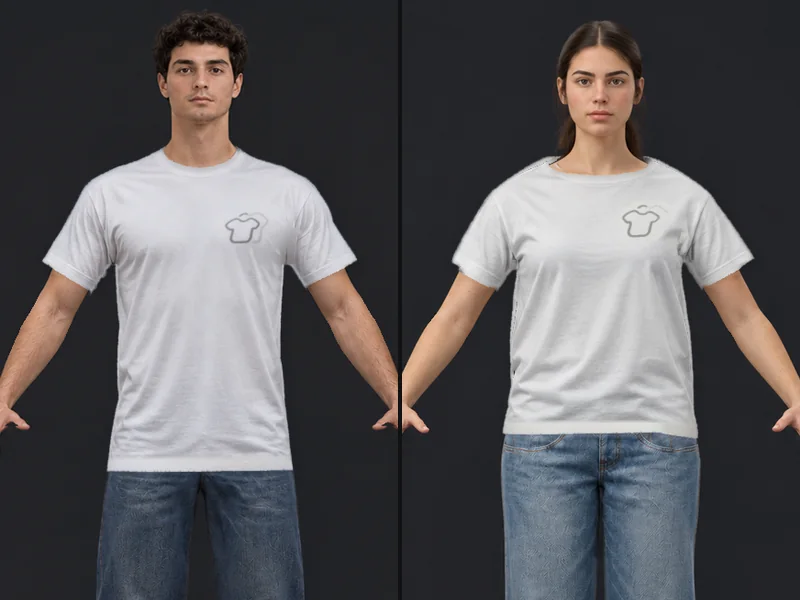
Body geometry
Proportions and measurements affect how a garment sits on each individual.
The same garment. The same body. Different sizes. Fitsee is building a way to actually see the difference before choosing your size.
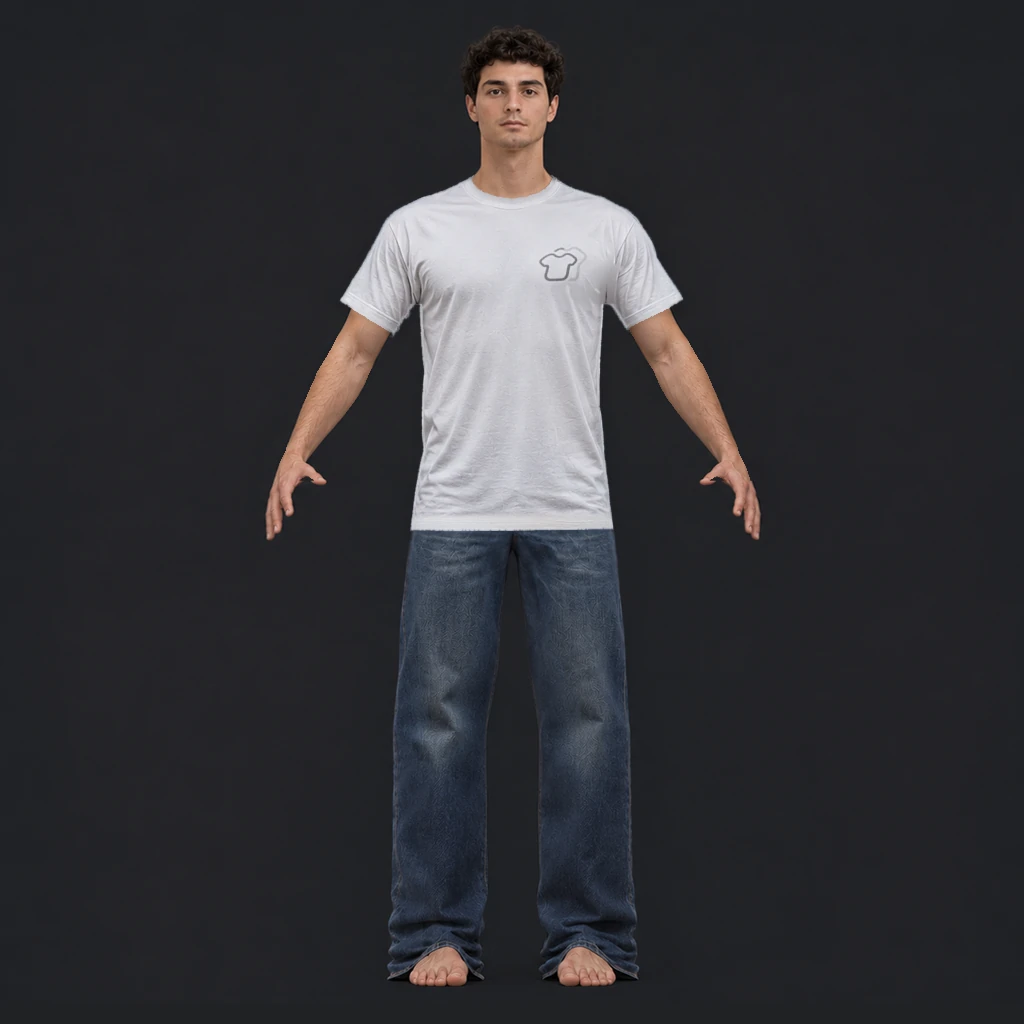
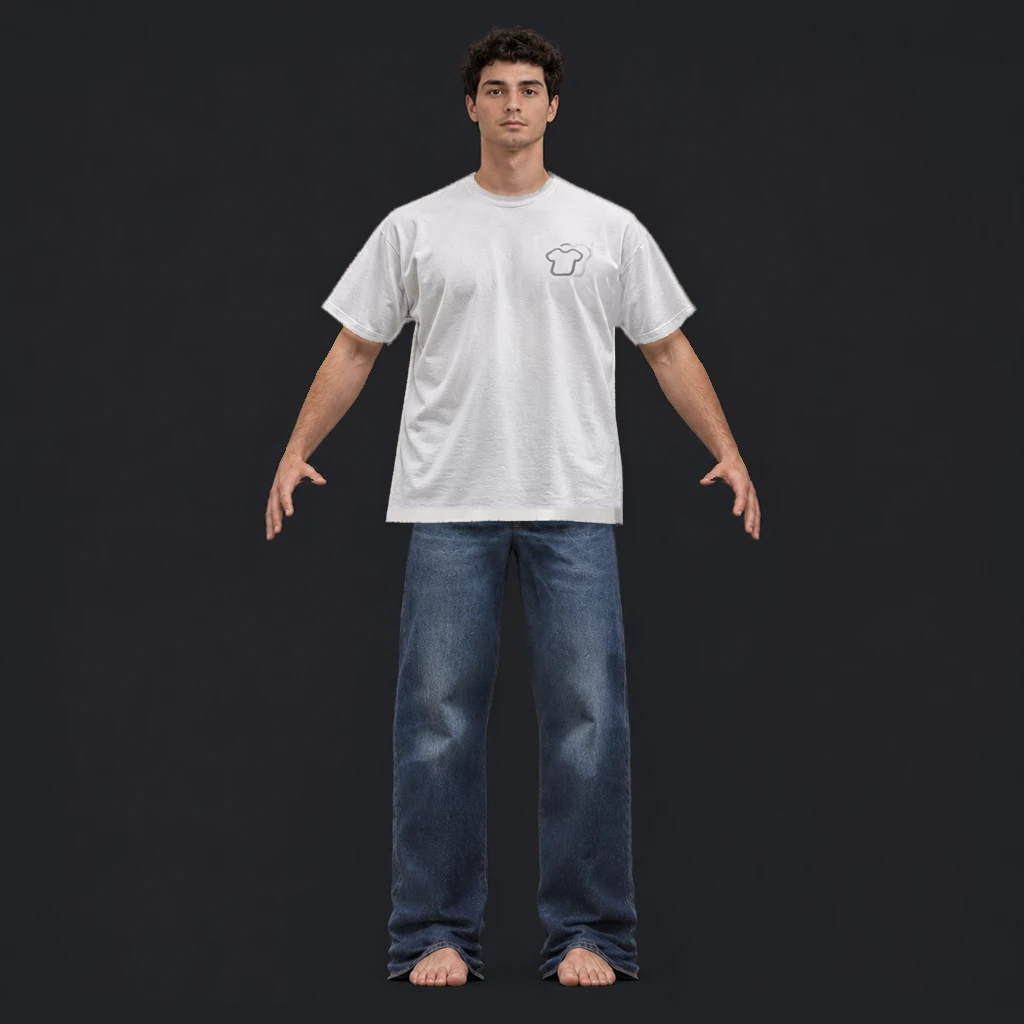
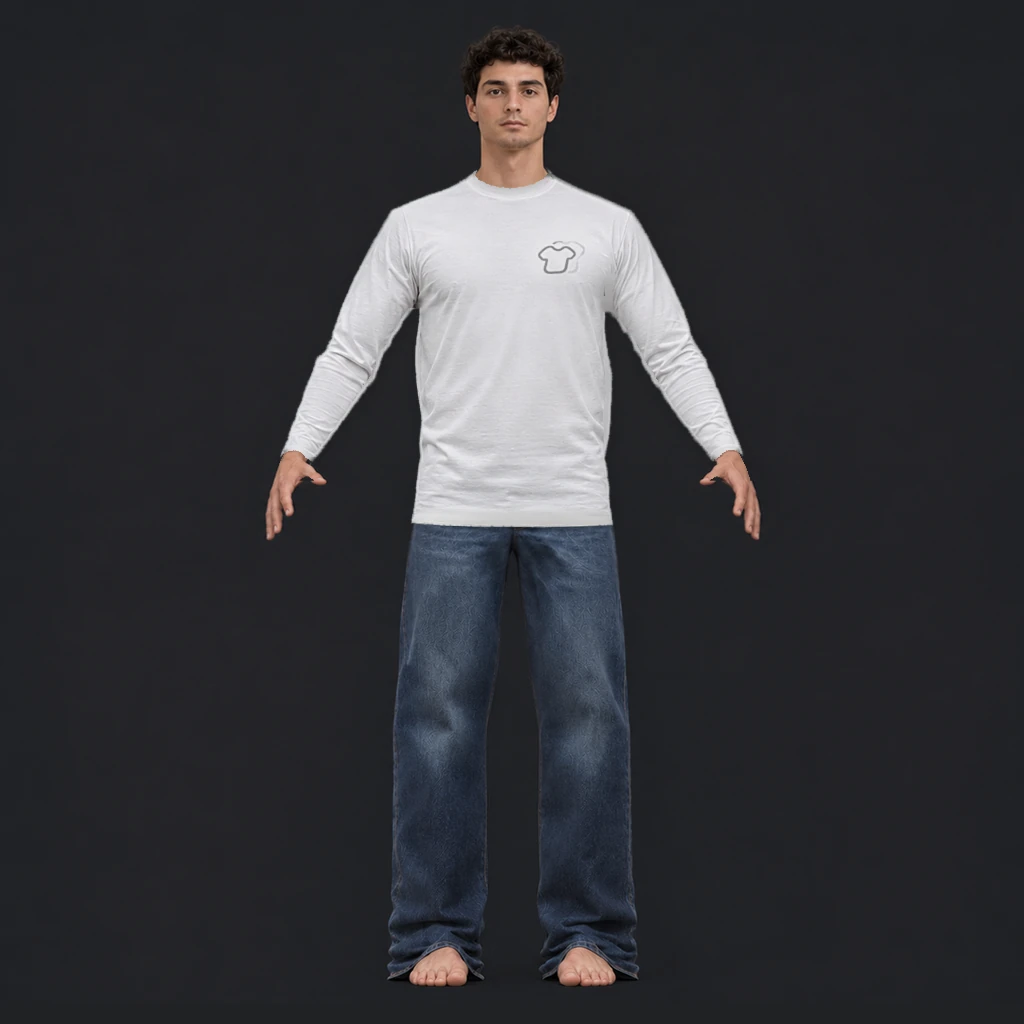
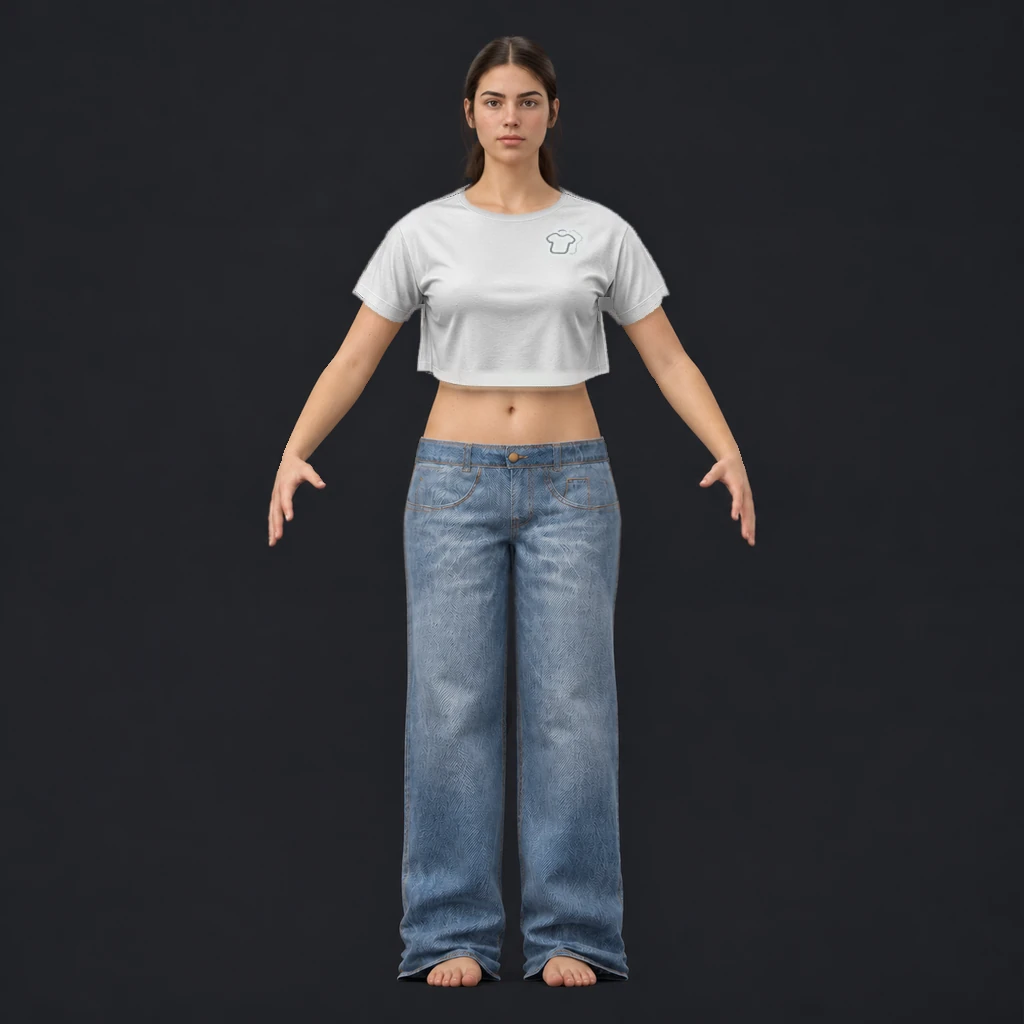
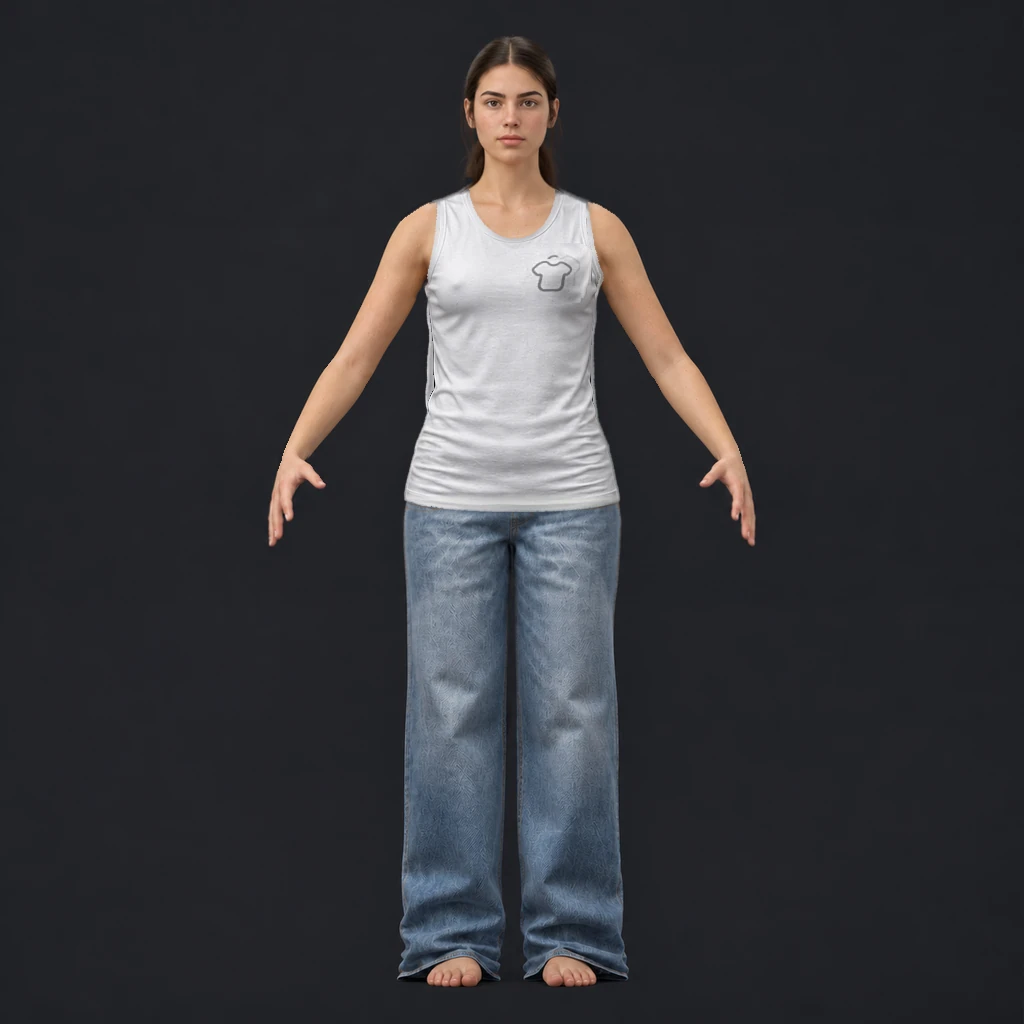
The same garment on the same body, from the same angle. Choose a body, pick the sizes and turn them together.
Simulation preview. Each image is a physics simulation of a virtual body, finished with AI for a photorealistic look. Not photographs, and the fit has not been validated against real garments yet.
Colour shows where the fabric stretches on the body, which is why some sizes look almost the same.
Physics simulation of the garment's real measurements, before the AI finish.
Drag the images sideways, or use the view buttons, to switch between front, side and back.
A complete guided flow, shown as a short product walkthrough. The public sees how it works; the hands-on product demo stays private.
Photos and body measurements, according to the supported input flow.
Select a specific piece and its available sizes.
View each size under the same conditions.
Choose the fit you prefer with more visual information.
The fit comes from a physics simulation of the real garment measurements. AI only paints the fabric, inside the simulated outline.
AI is applied only to appearance: skin, hair, lighting and fabric texture. It is never used to change the garment's shape, size or hem.
If the outline moved, the image is rejected and never shown.
Drag the slider: same tee, same size, same shape. A simulation, not a fit guarantee.
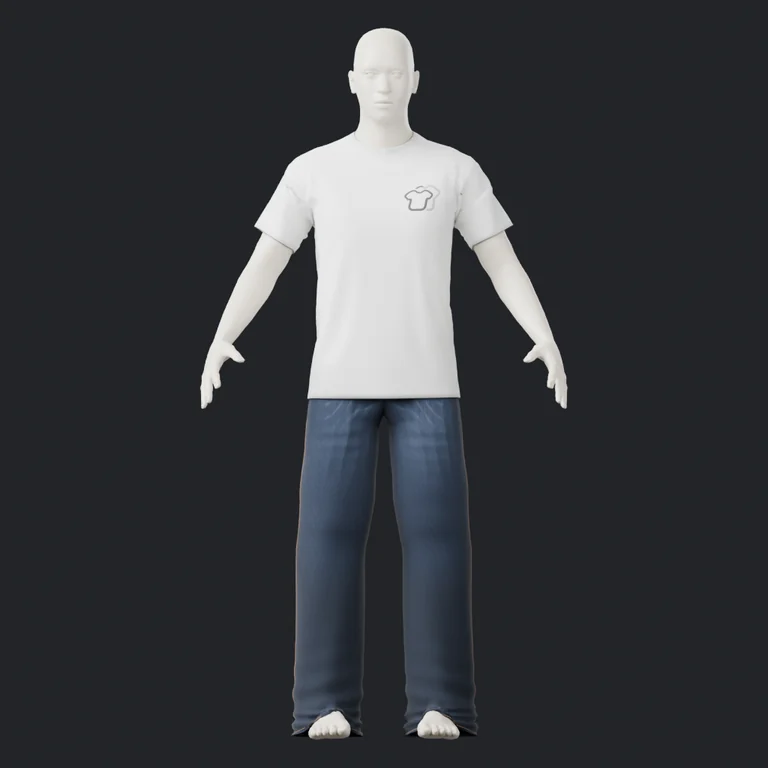
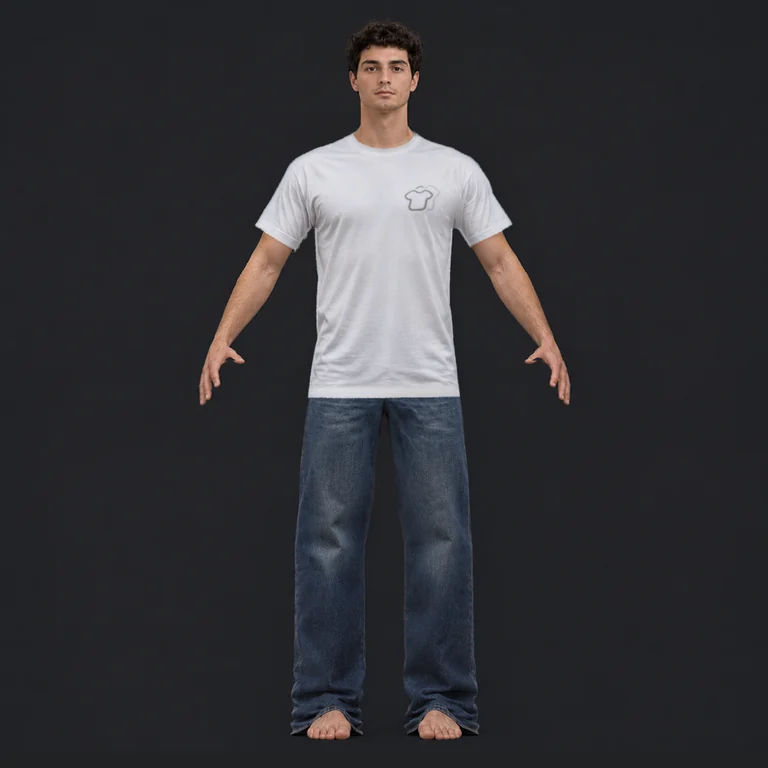
Real fit depends on the body, the exact dimensions of the garment and how the fabric behaves. Here is the engineering problem Fitsee is working to solve.
Built on official brand measurements. Each garment is rebuilt from the size chart its brand publishes, size by size. When a number is not published, we leave it out instead of guessing it.
Proportions and measurements affect how a garment sits on each individual.
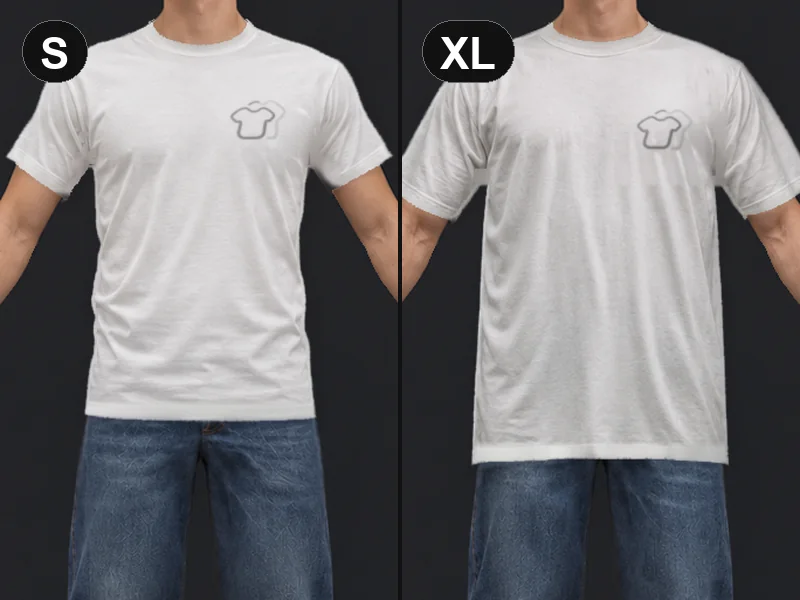
Each size has its own measurements and construction.
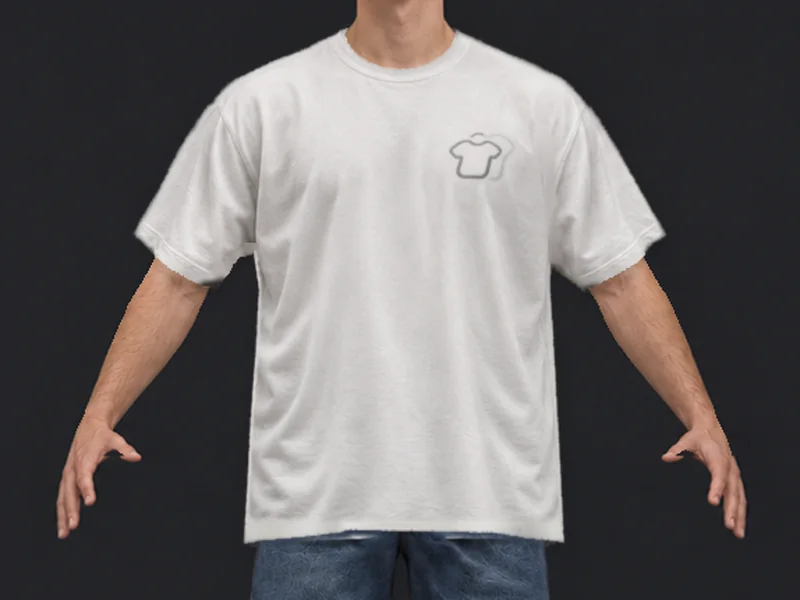
Different textiles can drape and deform differently.
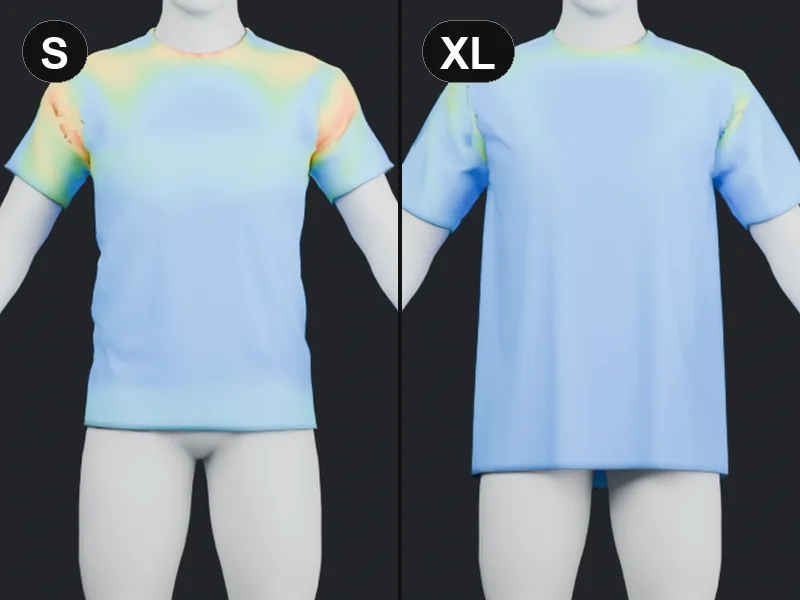
Contact and elasticity influence the appearance of tightness or looseness.
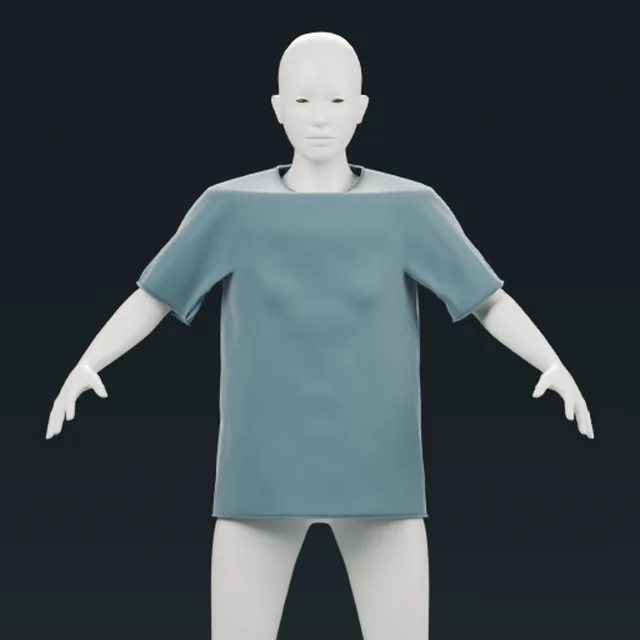
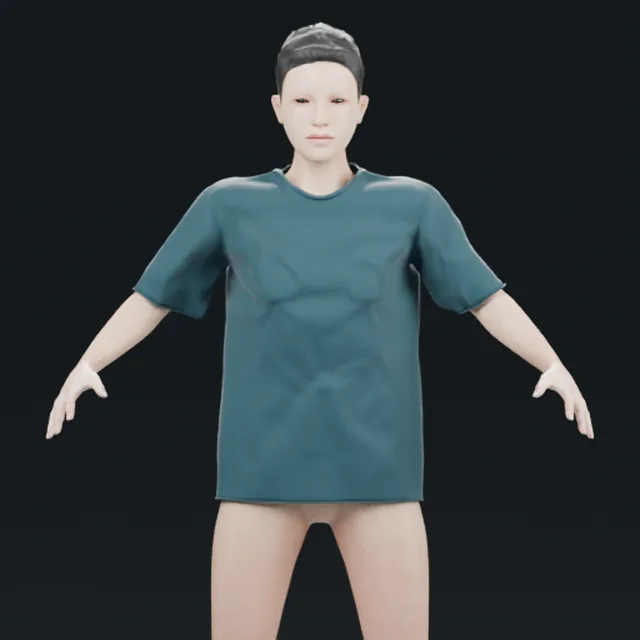
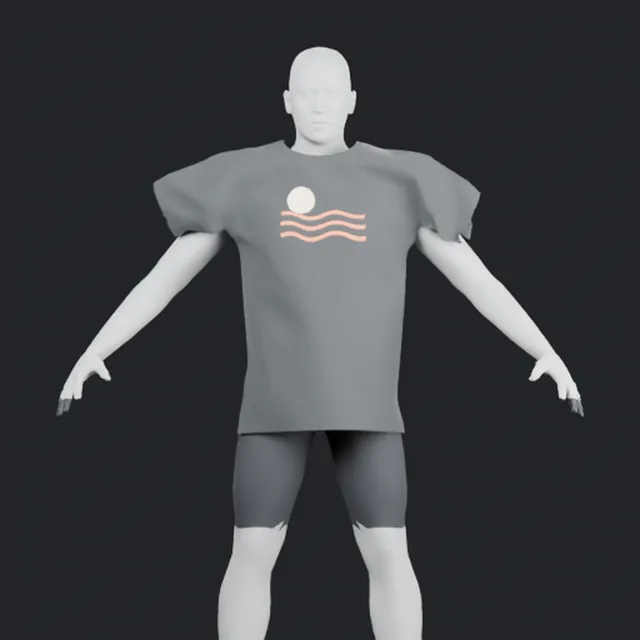
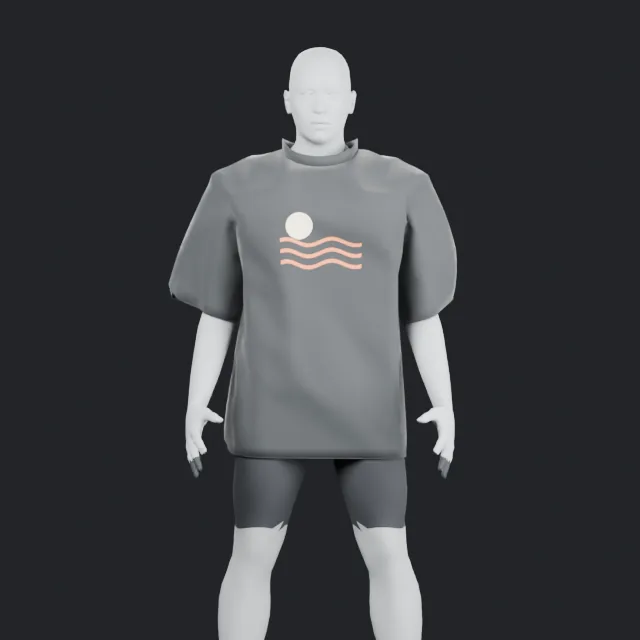
Every version of the engine fixed something the last one got wrong. This is how the simulation got sharper, step by step.
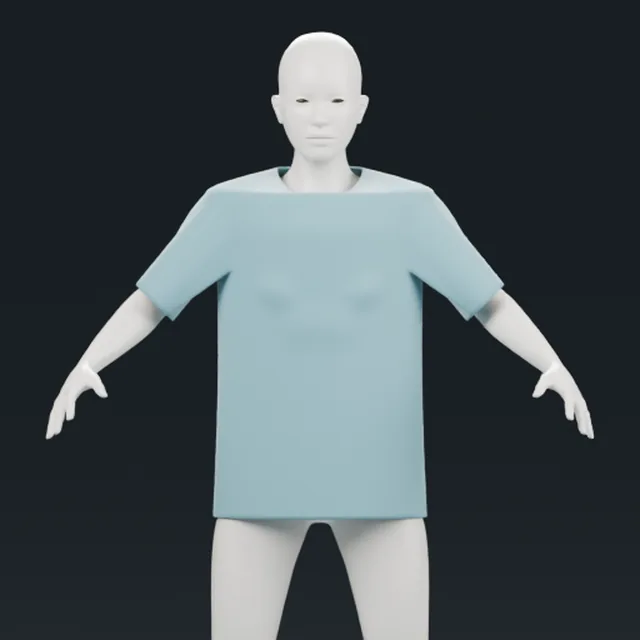
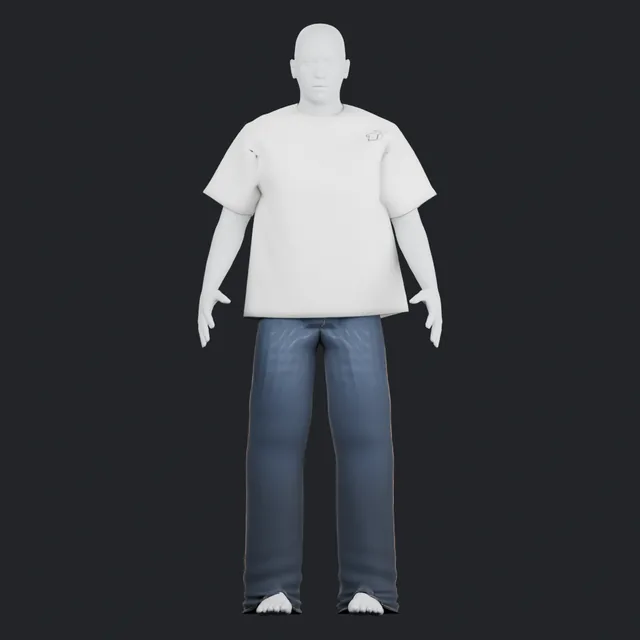
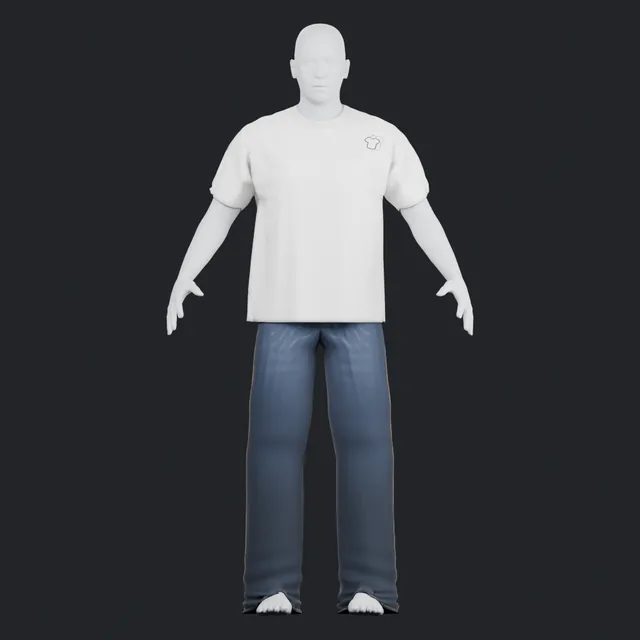
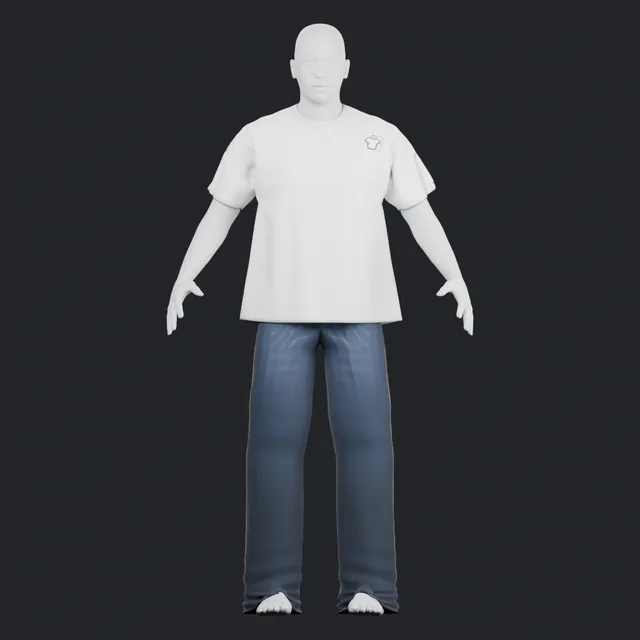
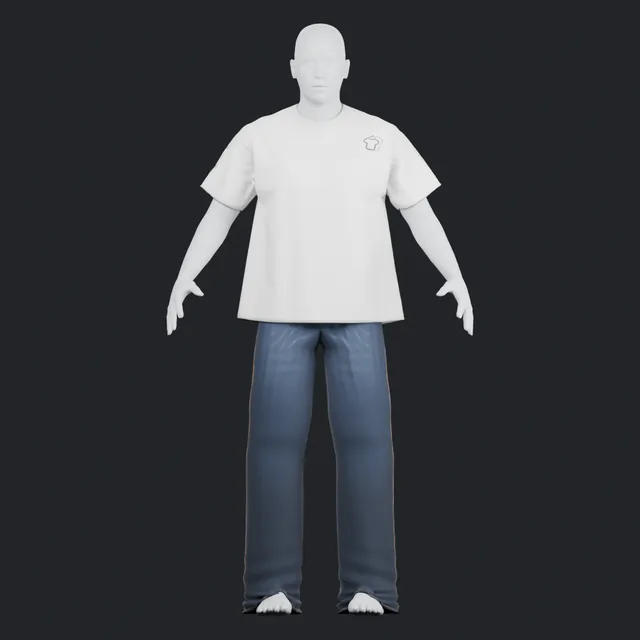
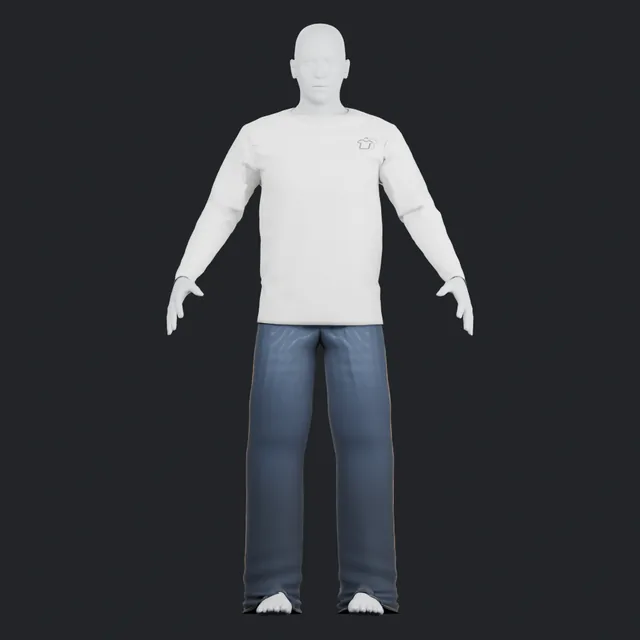
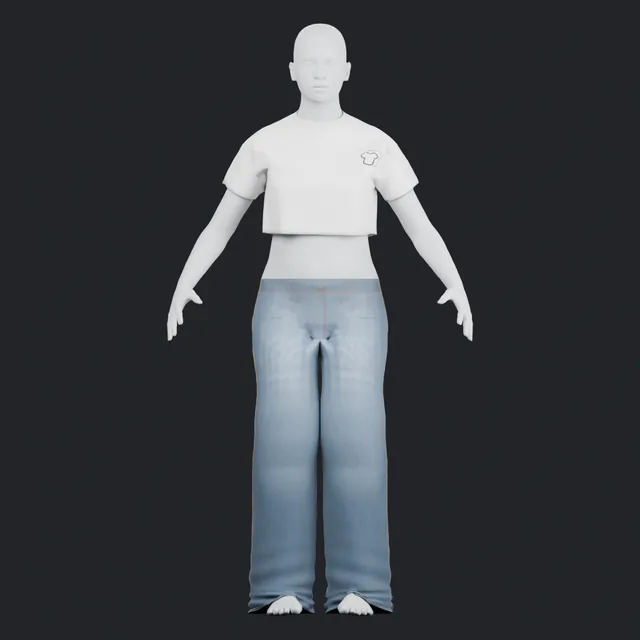
Fitsee shows shoppers how each size really fits, right on the product page. They choose with confidence, and brands get fewer wrong-size orders.
A size chart gives you numbers. A recommender gives you a guess. Fitsee shows how each size sits on a body like yours, so you see the fit instead of reading it. It is not a try-on that only shows how a garment looks: it puts two or three sizes of the same garment on the same body so you can see how the fit changes between them.
The size guide for each garment. Ideally also the pattern and the fabric data. No model photos are needed.
For a new fit in a garment family we already support, it takes in the order of days.
T-shirts: regular, oversized, long sleeve, cropped and tank. Other garments come later.
Yes. Bodies are built from measurements, including bodies with more volume. The same size sits differently on each body, and you see that difference.
Buyers see the difference between sizes before they buy, so they can choose the right size the first time. Fewer wrong-size orders is the point.
Every size is built from the brand’s real measurements and simulated with physics on the same body. The differences you see come from the garment itself.
They stay private and are never sent to third parties. You can use measurements only, and you can have your data deleted at any time.
Interested in investing, partnering or exploring the technology? Request a private conversation and product walkthrough.
Thanks, your message is on its way. We'll reply from hugoperez@tryfitsee.com within two working days.
Need to add something? You can send another message.